
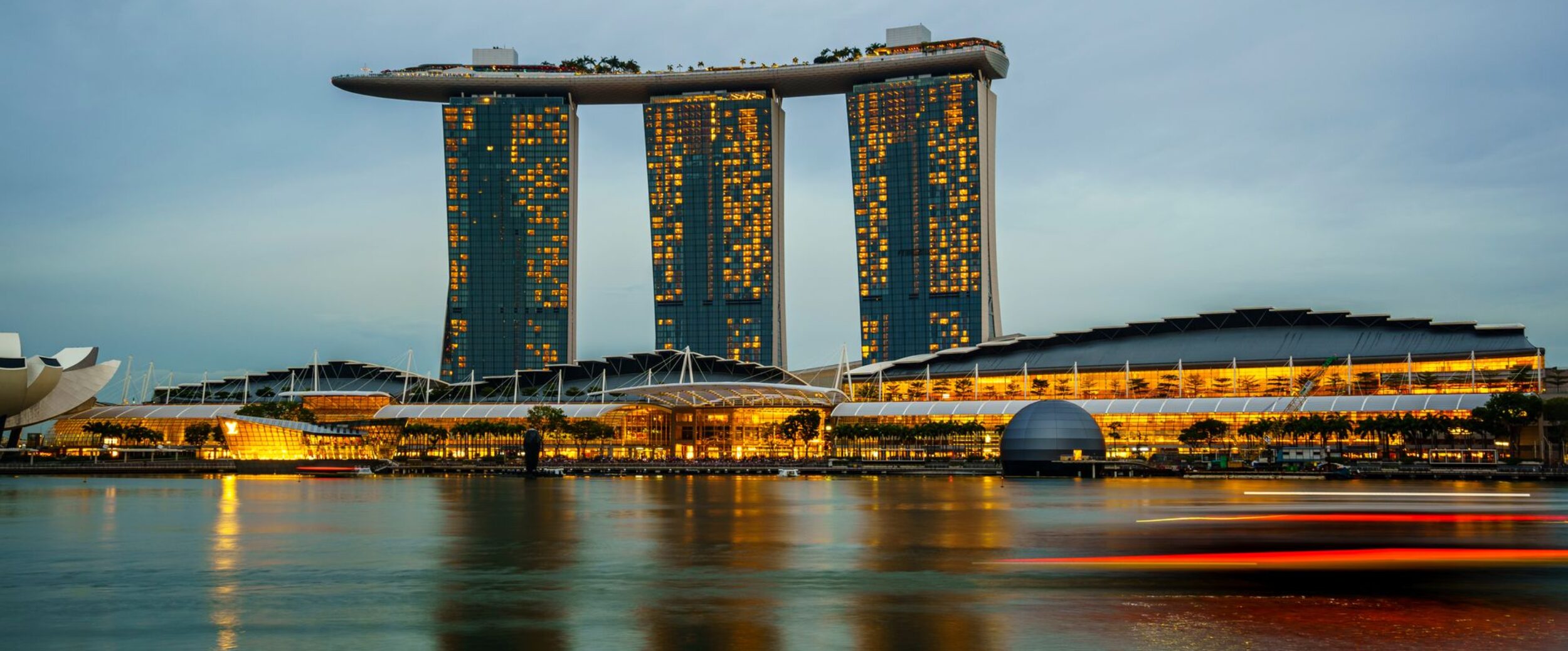
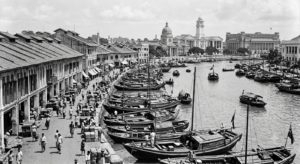
 Singapore is one of the most developed countries in the world, known for its modern skyline, efficient transportation, and multicultural society. However, its journey to becoming a global city began centuries ago. The history of Singapore includes ancient trading connections, British colonial rule, Japanese occupation, independence, and remarkable economic growth. Understanding this journey helps us appreciate how Singapore transformed from a small settlement into an internationally recognized nation.
Singapore’s Early History
Singapore’s history dates back several centuries, when the island was known by different names and served as a regional trading location. One of its earliest recorded names was Temasek, a word associated with the sea. Historical records suggest that the island had connections with regional kingdoms and maritime trade networks.
According to Malay tradition, a prince named Sang Nila Utama visited the island and named it Singapura, meaning Lion City. The name comes from Sanskrit words associated with a lion and a city. Although the story is an important part of Singapore’s cultural heritage, historians debate some of its details.
During this period, Singapore benefited from its strategic location near important maritime routes connecting different parts of Southeast Asia.
The Arrival of the British
A major turning point occurred in 1819, when British official Stamford Raffles established a British trading settlement on the island with the agreement of local Malay rulers. The British recognized Singapore’s location along major shipping routes as an opportunity to expand regional commerce.
Singapore soon developed into an important free port. Merchants from China, India, the Malay Archipelago, and other regions arrived to trade goods and establish businesses. The growing port attracted workers, traders, and families from different backgrounds.
In 1824, Singapore came under British control through a formal treaty. In 1826, it became part of the Straits Settlements alongside Penang and Malacca. Its commercial importance continued to increase throughout the nineteenth century.
Japanese Occupation During World War II
One of the darkest chapters in Singapore’s history began during World War II. In February 1942, Japanese forces captured Singapore after advancing through Malaya. The British surrender shocked the region and marked a major turning point in the island’s history.
Singapore remained under Japanese occupation until 1945. During these years, residents experienced severe hardships, food shortages, fear, and violence. Many civilians suffered, and the occupation deeply affected the population.
The experience weakened confidence in British colonial rule and encouraged stronger political awareness among Singapore’s residents. After Japan surrendered in 1945, British administration returned, but calls for political change continued to grow.
The Road to Independence
Following World War II, Singapore gradually moved toward self-government. Political organizations gained support, and residents increasingly demanded greater control over their future.
In 1959, Singapore achieved internal self-government, and the People’s Action Party won the general election. Lee Kuan Yew became the country’s first prime minister.
 In 1963, Singapore joined Malaysia alongside Malaya, Sabah, and Sarawak. However, political and economic disagreements created significant tensions. On 9 August 1965, Singapore separated from Malaysia and became an independent sovereign nation.
Independence presented serious challenges, including limited natural resources, unemployment, housing shortages, and the need to build a strong economy.
Singapore’s Economic Transformation
After independence, Singapore focused on industrial development, education, housing, infrastructure, and international trade. The government encouraged foreign investment and developed policies designed to attract manufacturing and service industries.
The port expanded, industrial areas were established, and public housing projects improved living conditions for many residents. Education and skills training helped prepare the workforce for new economic opportunities.
Over time, Singapore developed strong financial services, transportation, logistics, technology, and tourism sectors. Its location and business-friendly environment helped it become an important international commercial centre.
Modern Singapore
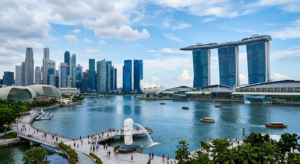
Today, Singapore is recognized for its modern infrastructure, diverse population, and global connections. The city combines historic neighbourhoods and cultural landmarks with contemporary architecture and advanced public transportation.
Places such as Chinatown, Little India, Kampong Glam, and the historic Civic District reflect different aspects of its past. These areas help preserve the traditions and stories of communities that contributed to the nation’s development.
Conclusion
The history of Singapore demonstrates how a small island can overcome major challenges through planning, adaptability, and economic development. From its early trading connections to British colonial rule, wartime occupation, and independence, every period has influenced the country’s identity. Singapore’s transformation into a global city remains one of the most notable stories in modern Asian history.…